Epithalon
Epitalon (Ala-Glu-Asp-Gly)
The only known compound that activates telomerase in humans
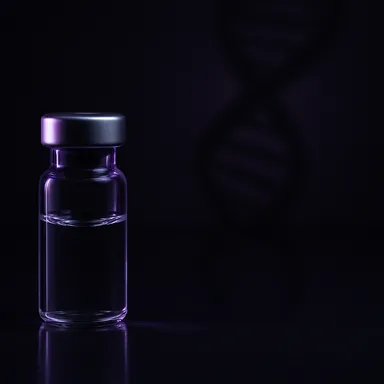
Epithalon is a synthetic tetrapeptide based on Epithalamin, a natural extract from the pineal gland. Research suggests it activates telomerase, the enzyme that maintains telomere length - a key marker of biological aging.
Admin routes
Subcutaneous, Intravenous
Popularity
Medium
Side effects
Generally mild
Vendors
3 rated
Key benefits
What to expect
Improved sleep quality reported by many users
Increased energy and sense of wellbeing
Skin quality improvements; potential telomerase activation
Cumulative longevity benefits; cycle off and repeat
Based on community reports and published research. Individual results vary significantly.
Rated vendors
View all →Vendor ratings are based on community feedback and are not endorsements. Always verify third-party certificates of analysis (CoA) and check your local regulations before purchasing.
Dosing protocols
Anti-aging / longevity
5–10 mg
Once daily (subcutaneous)
10–20 day cycles, 2–3 times per year
Dosing information is sourced from published research and community protocols. This is not a recommendation. Consult a healthcare professional.
Research status|Preclinical + limited human data - 35 years of research (Khavinson lab)
Overview
Epithalon (also spelled Epitalon) is a synthetic version of Epithalamin, a polypeptide naturally produced by the pineal gland. It was developed by Professor Vladimir Khavinson at the St. Petersburg Institute of Bioregulation and Gerontology, with research spanning over 35 years. The compound's primary claim to significance is its demonstrated ability to activate telomerase - the enzyme responsible for maintaining telomere length. Telomere shortening is one of the hallmarks of cellular aging, and Epithalon remains the only known compound to have shown telomerase activation in human somatic cells in published research.
How it works
Epithalon activates telomerase, the enzyme that adds protective nucleotide sequences (TTAGGG repeats) to the ends of chromosomes. As cells divide, telomeres naturally shorten - eventually triggering cellular senescence (the cell stops dividing) or apoptosis (programmed cell death). By reactivating telomerase in somatic cells, Epithalon may allow cells to continue dividing beyond the Hayflick limit. It also regulates melatonin production from the pineal gland, normalise circadian rhythms, and modulate the expression of genes involved in antioxidant defence.
Side effects
Research history
Epithalamin (precursor) discovered by Prof. Vladimir Khavinson in Russia
Synthesised as Epithalon - a shortened, synthetic version
Khavinson publishes telomerase activation data
Longevity studies in mice show 12–24% lifespan extension
Rising popularity in anti-aging biohacking circles worldwide
The telomere connection
Telomeres are protective caps at the ends of chromosomes - often compared to the plastic tips on shoelaces. Each time a cell divides, telomeres shorten slightly. When they become critically short, the cell enters senescence or dies. This process is considered one of the primary drivers of biological aging. Telomerase is the enzyme that can rebuild these protective caps, but it is largely inactive in adult somatic cells (it remains active in stem cells, immune cells, and cancer cells). Epithalon's ability to reactivate telomerase in somatic cells is what makes it unique in the longevity space.
Khavinson's research
The bulk of Epithalon research comes from Professor Vladimir Khavinson's team in St. Petersburg. Their work spans 35+ years and includes both animal and human studies. In animal models, Epithalon extended mean lifespan by 10–25% across multiple species. In a notable human study, elderly patients treated with Epithalamin showed improved immune function, normalised melatonin secretion, and reduced mortality over a 6-year follow-up period compared to controls. Critics note that much of this research is published in Russian-language journals with limited peer review by Western standards.
Reconstitution and protocols
Epithalon typically comes in 10 mg vials. Reconstitute with 2 mL of bacteriostatic water for a concentration of 5 mg/mL. The most common protocol is a 10-day cycle of 5 mg daily (subcutaneous injection), repeated 2–3 times per year. Some protocols use 10 mg daily for 10 days. Unlike many peptides that are used continuously, Epithalon is typically cycled with long breaks between courses.
Recommended products
Hand-picked for this compound. Ships via Amazon 🇺🇸
Core Supplies
Bacteriostatic Water 30mL
Storage & Transport
Portable Insulin Cooler Fridge
Further Reading
Peptide Protocols
References
- [1]Khavinson V, et al. "Peptide epitalon activates chromatin at the old age." Neuroendocrinology Letters, 2003.
- [2]Khavinson V, et al. "Effect of epithalon on the lifespan increase in Drosophila melanogaster." Mechanisms of Ageing and Development, 2000.
- [3]Anisimov VN, et al. "Effect of epitalon on biomarkers of aging, life span and spontaneous tumor incidence in female Swiss-derived SHR mice." Biogerontology, 2003.
- [4]Khavinson V. "Peptides and Ageing." Neuroendocrinology Letters, 2002.
Frequently asked questions
Related peptides
Community experiences
Share your experience with Epithalon. Effects, side effects, protocol details - help others make informed decisions.
No community reviews yet. Be the first to share your experience with Epithalon.
Need to calculate your dose?
Use our free reconstitution calculator to work out syringe units for Epithalon.
Open CalculatorFound this useful?
Share this guide
Get the free Beginner Peptide Protocol
Which peptides to start with, what to avoid, and safe handling. Delivered to your inbox.
Vendors
Rated suppliers
Quality, shipping, and service scores
Store
Supplies
Syringes, bac water, storage
Guides
How-to guides
Storage, reconstitution, and travel
Disclaimer: This guide is for educational and informational purposes only. It is not medical advice. The dosing protocols listed are sourced from published research and community reports and do not constitute a recommendation. Always consult a qualified healthcare professional before using any peptide. Check your local regulations regarding peptide purchase and use.