BPC-157
Body Protection Compound-157
The recovery peptide backed by 30+ years of research
BPC-157 is a synthetic peptide derived from a naturally occurring protein in human gastric juice. Research suggests it accelerates healing of tendons, ligaments, muscles, and the gut lining.
Admin routes
Subcutaneous, Intramuscular, Oral
Popularity
High
Side effects
Generally mild
Vendors
5 rated
Key benefits
Stack BPC-157 with TB-500
BPC-157 + TB-500 is the most-discussed recovery stack in peptide research forums, nicknamed the “Wolverine stack” for its complementary mechanisms. Researchers pair them for injuries that a single compound can't fully address.
Read the TB-500 guide →Both in stock 🇺🇸
Get the stack from Ascension Peptides
99%+ (third-party COA verified) · 1–3 days US domestic
PEPTIDESFYWhat to expect
Reduced inflammation and pain at injury site
Noticeable improvement in mobility and flexibility
Significant tissue repair - tendons, ligaments, gut lining
Full protocol benefits realised; most users taper off
Based on community reports and published research. Individual results vary significantly.
Rated vendors
View all →Ascension Peptides
United States · 99%+ (third-party COA verified) purity · 1–3 days US domestic
ascensionpeptides.com ↗PEPTIDESFYApollo Peptide Sciences
United States · 99%+ (third-party COA verified) purity · Ships within 48 hours, USPS Priority
apollopeptidesciences.com ↗Also available as serums & supplements 🇺🇸
Affiliate links. Small commission at no extra cost to you.
Vendor ratings are based on community feedback and are not endorsements. Always verify third-party certificates of analysis (CoA) and check your local regulations before purchasing.
▶Watch: BPC-157 explained
From our YouTube channel
Dosing protocols
General recovery
250–500 mcg
Once or twice daily
4–6 weeks
Targeted injury
250–500 mcg
Twice daily (near injury site)
4–8 weeks
Gut healing
250–500 mcg
Once daily (oral or subcutaneous)
4–8 weeks
Dosing information is sourced from published research and community protocols. This is not a recommendation. Consult a healthcare professional.
Research status|Preclinical - 100+ animal studies, limited human data
Overview
BPC-157 (Body Protection Compound-157) is a 15-amino-acid peptide originally isolated from human gastric juice. First studied in the early 1990s, it has accumulated over 100 published studies examining its effects on tissue repair, gut healing, and inflammation. Unlike many peptides, BPC-157 is stable in gastric acid, which has led to interest in both injectable and oral forms. It remains a research compound without FDA approval, but has become one of the most widely discussed peptides in the biohacking and sports recovery communities.
How it works
BPC-157 appears to work through multiple pathways. Research indicates it upregulates growth factor expression (VEGF, EGF, and others), promotes angiogenesis (new blood vessel formation), and modulates the nitric oxide system. It has been shown to accelerate the formation of granulation tissue and collagen organisation in animal models. It also appears to interact with the dopaminergic system and has demonstrated effects on the gut-brain axis in preclinical studies.
Side effects
Research history
First isolated from human gastric juice by Dr. Predrag Sikiric at University of Zagreb
Initial published research demonstrating wound healing properties
Gained mainstream attention in biohacking and sports recovery communities
Review in Journal of Physiology-Paris confirms 'consistent and reproducible' effects
FDA warning letters issued to compounders selling BPC-157 for human use
What the research says
The majority of BPC-157 research comes from animal studies, primarily in rats. These studies consistently demonstrate accelerated healing across multiple tissue types - tendons, ligaments, bone, muscle, and intestinal lining. A 2018 review in the Journal of Physiology-Paris noted its "consistent and reproducible" effects on angiogenesis and wound healing. Human clinical data remains extremely limited, with most evidence being preclinical or anecdotal. The peptide community often cites Dr. Predrag Sikiric's extensive body of work (University of Zagreb) which spans over 100 published studies.
BPC-157 and the gut
One of BPC-157's most distinctive properties is its stability in stomach acid. Unlike most peptides that are degraded by gastric enzymes, BPC-157 maintains its structure and biological activity when taken orally. Animal studies have shown it can heal inflammatory bowel disease (IBD), reduce gastric ulcers, and protect the gut lining from NSAID damage. This has made it of particular interest to those dealing with gut health issues, leaky gut, and NSAID-related gastric damage.
Reconstitution and storage
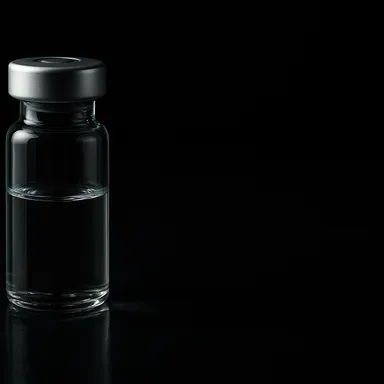
BPC-157 typically comes in 5 mg vials as a lyophilised (freeze-dried) powder. Reconstitute with 2 mL of bacteriostatic water for a concentration of 2.5 mg/mL (2500 mcg/mL). At a 250 mcg dose, this gives 10 units on a 100-unit insulin syringe and 20 doses per vial. Store reconstituted peptide in the refrigerator (2–8°C) and use within 4 weeks. Do not freeze once reconstituted.
Recommended products
Hand-picked for this compound. Ships via Amazon 🇺🇸
Oral Alternatives
BPC-157 Capsules
Storage & Transport
Portable Insulin Cooler Fridge
Further Reading
Peptide Protocols
References
- [1]Sikiric P, et al. "Brain-gut axis and pentadecapeptide BPC 157." Journal of Physiology-Paris, 2018.
- [2]Seiwerth S, et al. "BPC 157 and standard angiogenic growth factors." Current Pharmaceutical Design, 2018.
- [3]Chang CH, et al. "BPC 157 enhances tendon-to-bone healing." Journal of Orthopaedic Research, 2021.
- [4]Vukojevic J, et al. "Pentadecapeptide BPC 157 and the central nervous system." Neural Regeneration Research, 2022.
Frequently asked questions
Related peptides
Community experiences
Share your experience with BPC-157. Effects, side effects, protocol details - help others make informed decisions.
No community reviews yet. Be the first to share your experience with BPC-157.
Need to calculate your dose?
Use our free reconstitution calculator to work out syringe units for BPC-157.
Open CalculatorFound this useful?
Share this guide
Get the free Beginner Peptide Protocol
Which peptides to start with, what to avoid, and safe handling. Delivered to your inbox.
Vendors
Rated suppliers
Quality, shipping, and service scores
Store
Supplies
Syringes, bac water, storage
Guides
How-to guides
Storage, reconstitution, and travel
Disclaimer: This guide is for educational and informational purposes only. It is not medical advice. The dosing protocols listed are sourced from published research and community reports and do not constitute a recommendation. Always consult a qualified healthcare professional before using any peptide. Check your local regulations regarding peptide purchase and use.